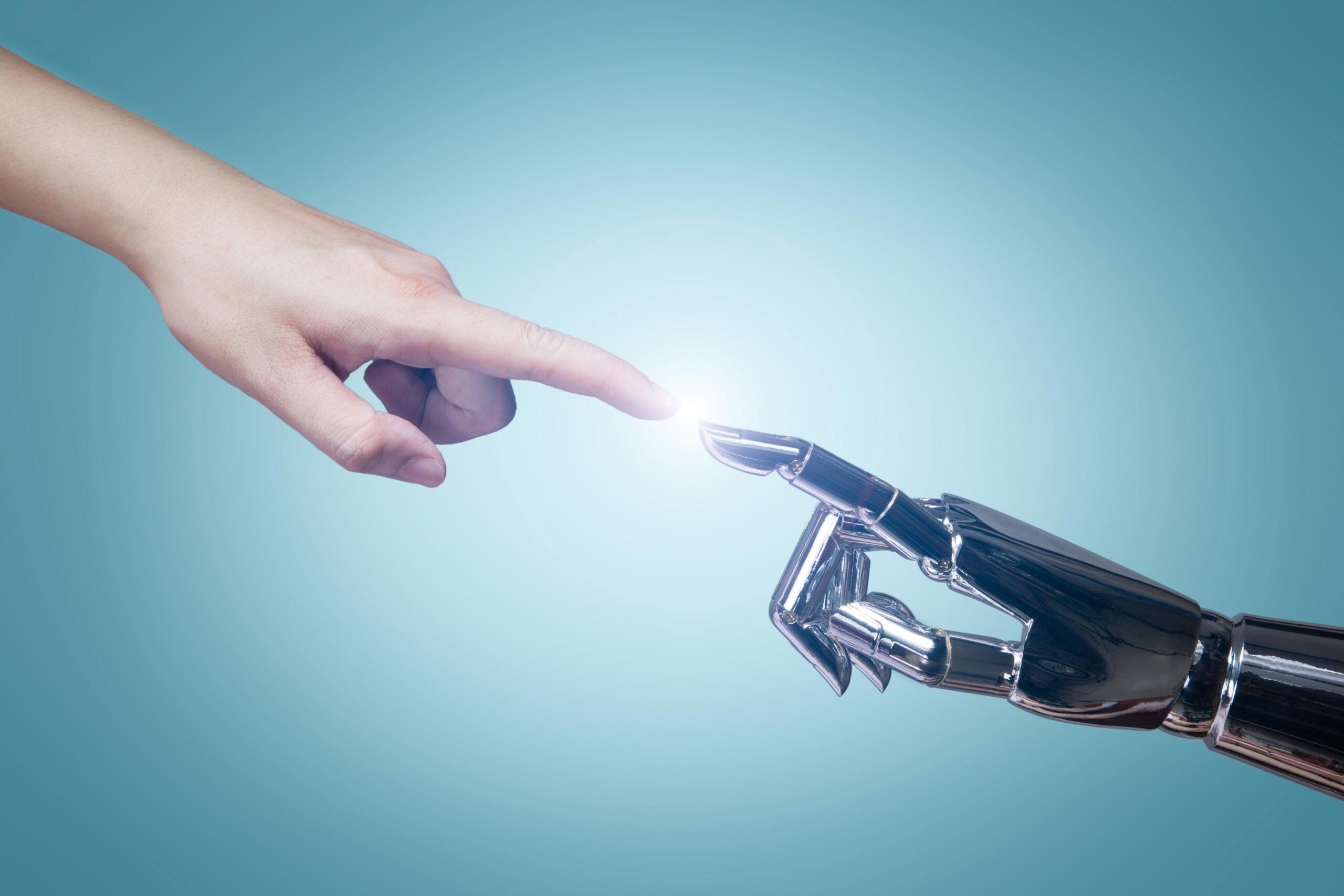

School boards are tasked with ensuring our students are prepared for the future. Whether their path is post secondary, trades, or the workforce, ensuring students have the skills they need to be successful is goal. One of these skills is Artificial intelligence. Artificial intelligence (AI) is rapidly transforming many sectors of society, including education. AI is changing how students learn and how teachers support them. While AI offers exciting opportunities to enhance learning, it also raises important questions about academic integrity, equity, and the role of educators.
AI is education is not something we can ignore; it won’t go away because it’s already here. Historically, youth tend to be early adopters of things new and improved. Their curiosity, undaunted by fear of failure, is what drives innovation. If one believes that learning never stops, that education is not just understanding what is but exploring what might be, then AI should be embraced wholeheartedly. And yet, the use of artificial intelligence in schools is a polarizing topic. We must strike a balance of healthy curiosity and healthy wariness.
The Benefits of AI in Education
One of the most significant advantages of AI in education is personalized learning support. AI systems can analyze student performance and adapt lessons to match individual learning speeds and styles. This allows students who need more time with certain topics to receive additional support while enabling advanced learners to move ahead more quickly. AI technologies can assist students with disabilities through speech-to-text tools, language translation, and adaptive learning platforms. These technologies can help create more inclusive classrooms where students with different needs can participate more fully. Employed strategically, this could be one of the ways in which we manage complexity in the classroom.
AI can also improve access to educational resources. Students can use AI-powered tools to receive explanations, summaries, or practice questions whenever they need help. For students who may not have easy access to tutors or additional learning supports, AI can act as an always-available learning assistant. Perhaps this use of AI can reduce the strain on the education system of limited human resources.
Teachers and administrators can benefit from AI as well. Many AI tools help reduce administrative workload by assisting with tasks such as grading objective assignments, organizing materials, and the creation of lesson ideas. Automating routine tasks can free up time to focus on teaching, mentoring students, and designing meaningful learning experiences. Perhaps we can leverage AI to reduce mundane tasks in order to give teachers time to be creative and build experiential learning opportunities for our kids.
The Challenges of AI in Education
AI can present some challenges. One major concern is academic integrity. AI writing tools can create essays and answers to homework questions, making it easier for students to submit work that may not reflect their own understanding. Put plainly, how much have you learned if you simply asked AI to supply the answer to the question? This raises questions about how schools should assess learning and encourage original thinking.
There are also concerns about accuracy and validity. AI systems sometimes produce incorrect or misleading information, especially if students rely on them without verifying sources. In the world of AI, this is called “hallucination.” AI can create a fake legal citation, or invent a fake historical fact. If I ask an AI tool to generate a story about mermaids discovered in Moraine Lake, it is entirely possible that a paper a student asks AI to generate containing facts about Moraine Lake will include a reference to mermaids in the water. Teaching students how to verify authenticity, using a trust but verify mentality, is critical.
Another issue is equity and access. While AI tools can expand access to learning support, not all students have equal access to technology, devices, or reliable internet. If some students have more access to advanced tools than others, it could widen existing educational inequities. Equitable access to technology is just as important as the use of technology.
Privacy and data security are additional concerns. Many AI platforms collect large amounts of data about students’ behavior, learning patterns, and performance. Schools and governments must carefully consider how this information is stored, used, and protected. As an adult, we might explicitly or tacitly allow personal information to be accessed and shared. We click OK without reading the fine print in our haste to buy a product online or quickly get answers to our web search questions. There is an additional layer of complexity, however, when it comes to the privacy and security of the information collected and stored on minors.
The Balance
The challenge for schools is not whether to use AI, but how to use it responsibly and effectively. Students need to learn digital literacy, school authorities need to establish clear guidelines for AI use in assignments, and government needs to ensure the safety and privacy of student data. AI is a powerful tool that can enhance education. Maintaining strong teaching practices, academic integrity, and equitable access will be essential to ensure that AI strengthens rather than undermines the goals of education. It’s a brave new world; we need to ensure our kids are prepared for it.
Shali holds a Bachelor of Arts in political science/law, a public relations diploma, and a Six Sigma green belt. She has 20 years of regional operations management experience and several years of experience as a corporate trainer. She is currently the president of the Alberta School Boards Association, having served as vice president for four years, and is in her third term as a Rocky View Schools trustee.
Shali, her family and their pets have lived in Chestermere for 16 years. She and her husband Dan are active community members and volunteers, her son is a recent grad of Chestermere High, and her daughter is in grade 11 at Chestermere High.