


Nothing in life is more certain than death, yet many of us are reluctant to talk about it. Now is not the time to avoid this conversation. A significant change to end-of-life care is being proposed in Alberta, and it deserves careful public attention.
Since 2016, Canada’s federal framework for Medical Assistance in Dying (MAID) has allowed eligible adults to seek medical assistance to end their lives when facing a serious and incurable condition that causes enduring, intolerable suffering. Updates in 2021 refined the rules, but the core principle remained: individuals, in consultation with their health-care providers, can decide how they live their final days.
Now, Alberta’s proposed Bill 18 would introduce new restrictions on access to MAID within the province. One of the most significant changes is a requirement that a person must be expected to die within 12 months to qualify. For some Albertans—particularly those living with degenerative diseases or organ failure without a clear timeline—this could mean losing access to an option that is currently available.
The bill would also prevent health-care professionals from raising MAID in discussions unless the patient brings it up first. This raises important questions about informed consent. In most areas of medicine, patients rely on their providers to explain all legally available options, along with their risks and benefits. Limiting these conversations may leave some individuals without a full understanding of their choices.
The potential consequences of these changes—both intended and unintended—deserve careful consideration. Some patients who are currently eligible, but do not meet the proposed timeline, may feel pressured to make decisions earlier than they otherwise would, out of concern that their options will be restricted once Bill 18 becomes law.
The proposed legislation also includes mandatory sanctions for providers who do not comply. This places physicians and nurse practitioners in a difficult position, especially when their professional and ethical obligations require full disclosure of all care options. Some practitioners may choose to step back from providing MAID services rather than risk penalties. Others may leave Alberta altogether. In a health-care system already under strain, even small changes can have widespread effects—especially in rural areas, where access is already limited.
The bill would also require a family member to be present as a witness. However, not every Albertan has family nearby, and not every family member is able—emotionally or otherwise—to take on that role. These are not abstract policy questions; they are practical realities that will affect people at some of the most vulnerable moments of their lives.
MAID is governed federally, but provinces play a significant role in how services are delivered. If Bill 18 passes, Albertans could face some of the most restricted access to MAID in the country. We may have fewer end-of-life options than other Canadians facing similar medical circumstances. For people already coping with serious illness, the idea that geography could determine the scope of their choices can be difficult to accept. Differences in provincial health policy are not new, but when they affect personal decisions at the end of life, they can be especially distressing.
At the same time, many Albertans agree that end-of-life care should be approached with compassion and strong safeguards. Concerns about protecting vulnerable individuals, and ensuring that no one chooses MAID due to a lack of support, are valid and deserve thoughtful consideration. Expanding access to palliative care, pain management, and disability supports is an essential part of this conversation.
Decisions about how we live and how we die are deeply personal. Albertans deserve control over what happens in their lives and the right to make their own medical decisions in consultation with trusted health-care providers. Just as we expect our doctors to explain all options for treating cancer—whether it be surgery, radiation, or chemotherapy—we are right to expect the same openness in end-of-life care. We would not accept politicians limiting cancer treatment options, nor allow them to force doctors not to tell us about certain therapies unless we ask.
No public consultation on Bill 18 has been announced, but elected officials need to hear from the public. Albertans should have the freedom to choose how we live—and how we die. This requires honest conversations with local representatives and clear communication with provincial leaders, including the Premier and the Minister of Justice.
If Danielle Smith and her government truly want to “give people hope” in Alberta, there are many other urgent priorities to address. Guaranteeing access to primary care, providing affordable housing, and ensuring that no Albertan lives in poverty would be a meaningful start.
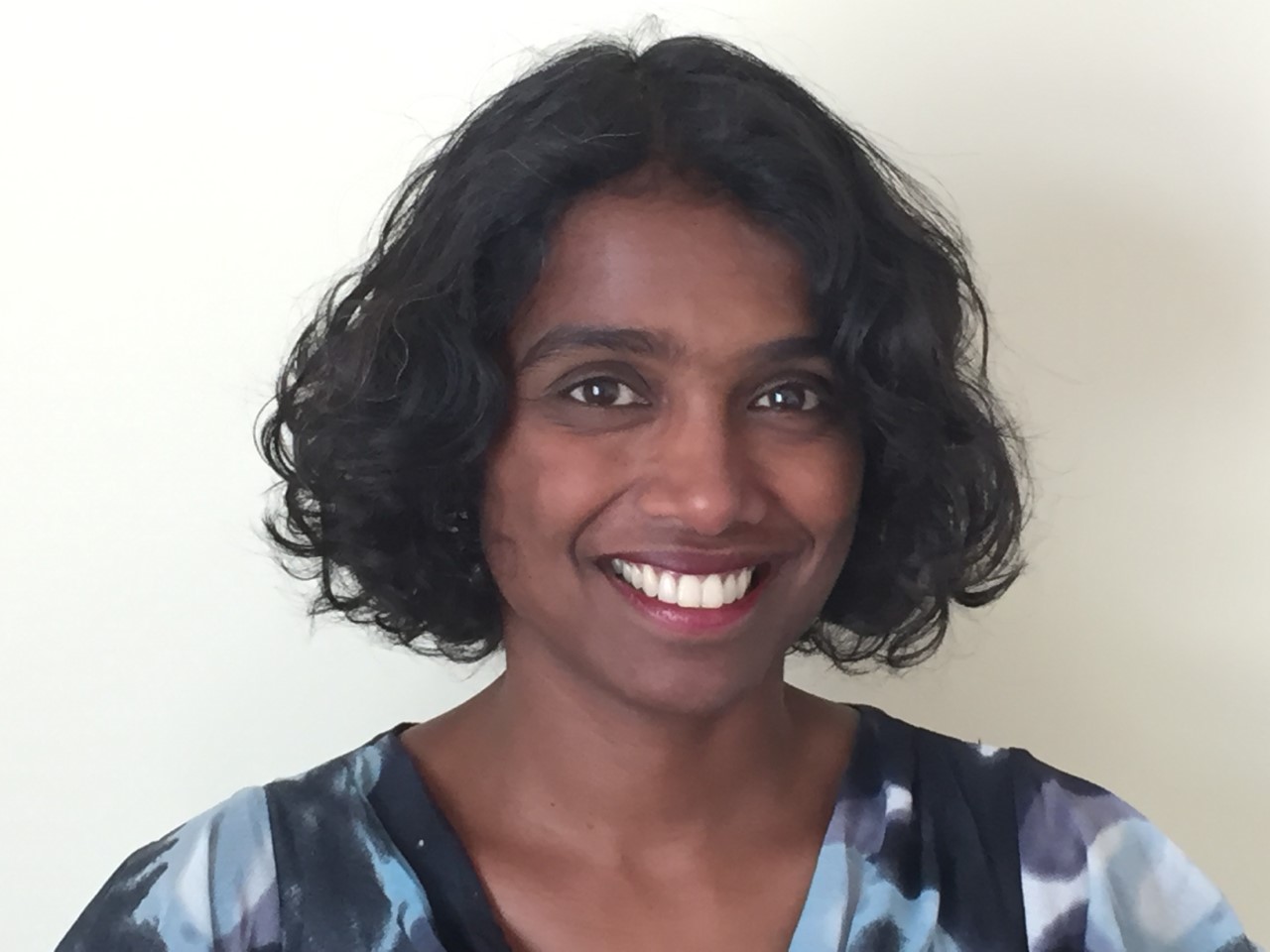
Vamini Selvanandan is a family physician and public health practitioner in Alberta. For more articles like this, visit www.engagedcitizen.ca.
By Vamini Selvanandan© 2026. This work is licensed under a Creative Commons CC BY 4.0 license.






Add Comment