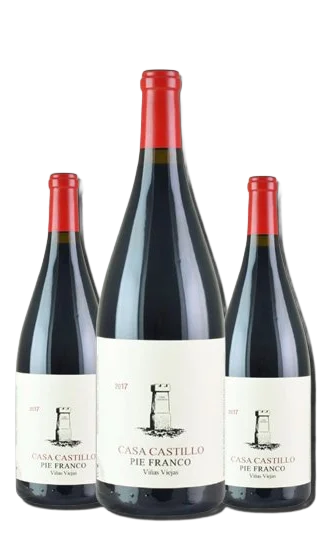

Winter returned to Alberta with a vengeance last week, dumping 20 cm of snow in my driveway overnight and leaving me to hunker down with my supply of storm chips and whatever libations I was able to find in the cellar. As luck would have it, in a dusty corner of the wine rack sat a long-forgotten bottle of Mourvèdre, also known as Monastrell.
The true origins of the grape are lost in the wine-soaked mists of time, but wine historians believe it first appeared in the Valencia region of Spain around 500 BCE before eventually spreading across the border into France.
Referred to as Monastrell in Spain, it is now the fourth most widely planted red grape in the country, following Tempranillo, Bobal, and Garnacha. In France it takes the name Mourvèdre — the version that has become more familiar internationally.
The varietal was nearly wiped out during the phylloxera epidemic of the 1870s, as its vines proved difficult to graft onto the louse-resistant American rootstock that ultimately saved Europe’s vineyards. A resurgence in plantings during the 1970s brought the grape back into favour in both Europe and the New World.
The grape thrives in hot climates and has found success in Australia, South Africa, and California, with even a few small Canadian plantings in the desert-like microclimate near Osoyoos in British Columbia’s Okanagan Valley.
While it is sometimes bottled as a single varietal, Mourvèdre is more commonly encountered in the classic GSM blend — Grenache, Syrah, and Mourvèdre — often in proportions around 50 + 40 + 10 percent. The small portion of Mourvèdre adds tannin and structure to the lighter Grenache while Syrah contributes aromatic complexity, creating a blend that is far greater than the sum of its parts.
I enjoyed a local GSM this past summer at Red Rooster Winery in the Okanagan — a bottle that still appears on well-stocked Alberta shelves around the $25 mark, right in the sweet spot for this style.
Courageous winemakers also produce single-varietal Mourvèdre, allowing extended aging in oak to soften its firm tannins. The result is a big, bold wine that pairs beautifully with grilled meats, smoked barbecue, and sharp cheeses.
With abundant natural sugars, Mourvèdre ripens late and produces wines high in both alcohol and tannin. Fans of Cabernet Sauvignon will feel immediately at home.
Spain still has the largest acreage under vine, with France close behind. Spanish expressions tend to be more approachable and often better value, while French producers favour blending for balance. As faithful readers know, the longer aging typical of Spanish wines makes them frequent and welcome guests in my cellar.
That rediscovered bottle turned out to be a 2019 Mourvèdre from France, opening with an intense bouquet of peppercorns and black fruit, layered with cedar smoke and spice on the finish. Far too good to accompany storm chips, it called for grilled Spolumbo sausages from the air fryer and a selection of sharp cheeses.
The finest examples come from the Rhône in France and Jumilla in Spain, so seek out a bottle in the appropriate aisle of your favourite neighbourhood merchant and discover Mourvèdre — or Monastrell — for yourself.