


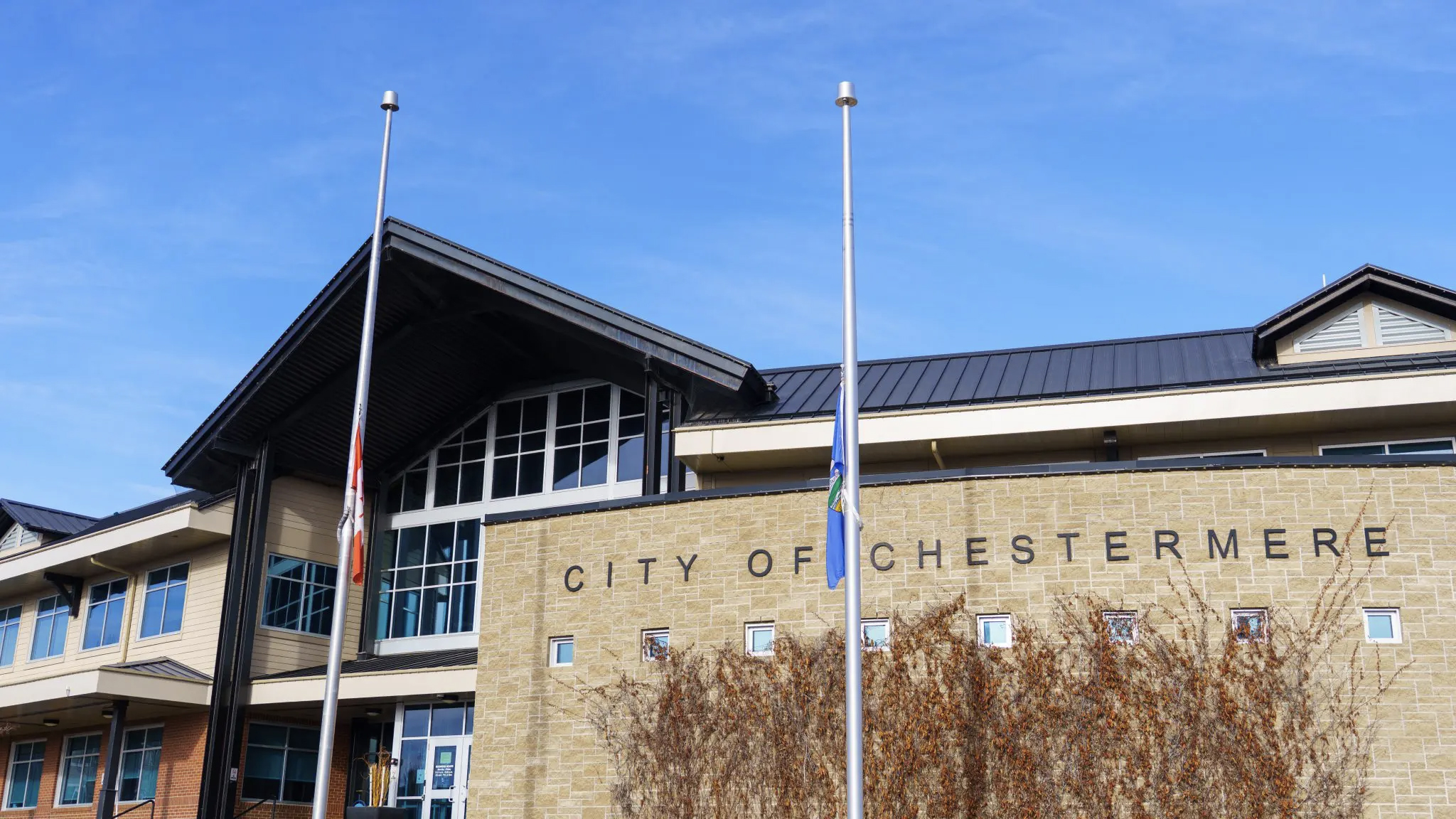
The City of Chestermere is inviting residents to help shape the future of policing in the community through a short public survey aimed at identifying local priorities for the next several years.
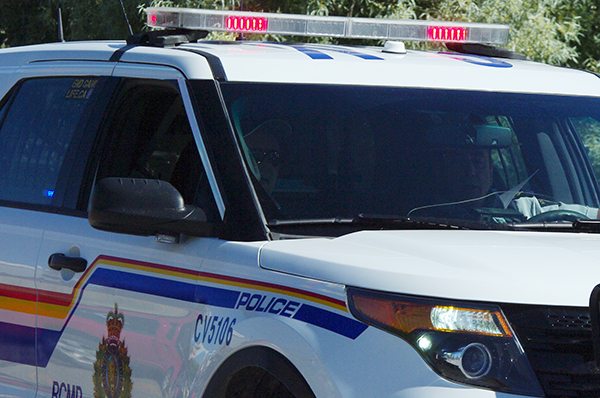
City officials say the initiative is part of an ongoing collaboration between the municipality and the Royal Canadian Mounted Police (RCMP) to determine which public safety issues should receive the greatest focus moving forward.
Residents are being asked to complete a brief online survey that gathers feedback on what they believe matters most when it comes to policing in Chestermere. The survey, which takes only a few minutes to complete, asks participants to select the three policing priorities they feel should be the highest for local officers.
According to information shared by the city, the results will be reviewed by both municipal officials and RCMP leadership as they develop future policing strategies and operational plans.
“Residents are invited to complete a short survey with three questions about local policing,” the city noted in a recent social media post announcing the initiative. “Results will be shared with council and the RCMP to help guide planning.”
The survey asks residents to consider several aspects of community safety. Participants are invited to identify the three areas of policing they believe should receive the most attention in the coming years. These could include issues such as traffic safety, property crime, community engagement, or other public safety concerns that residents believe affect their neighbourhoods.
In addition to ranking priorities, the survey also asks residents to share their perspective on what “effective local policing” looks like in Chestermere. City officials say this open-ended question is intended to capture broader ideas about how residents want to see police services delivered, including visibility in neighbourhoods, response times, community partnerships, and crime prevention efforts.
Residents are also given the opportunity to highlight one specific issue they believe should be considered when determining policing priorities. This portion of the survey allows respondents to submit a short written comment of up to 250 characters, giving them a chance to raise concerns or ideas that may not appear in preset survey options.
Municipal leaders say public feedback plays an important role in shaping community policing strategies. In Alberta municipalities served by the RCMP, local governments work with police leadership to establish priorities that reflect the needs and concerns of residents.
While the RCMP operates as the provincial policing service in Alberta’s smaller municipalities, local detachments work closely with municipal councils to identify goals and allocate resources effectively. These priorities help guide decisions about patrol focus, community outreach programs, and crime prevention initiatives.
Chestermere’s population has grown rapidly in recent years, with thousands of new residents moving into the lakeside city. As communities grow and change, policing needs can evolve as well. Municipal officials say gathering public input helps ensure that policing strategies reflect the issues residents experience in their daily lives.
The results of the survey will be compiled and shared with Chestermere City Council and the local RCMP detachment. The information will help inform discussions about policing priorities and community safety strategies over the next several years.
City officials say participation from residents is important to ensure the survey reflects a broad range of community perspectives.
The survey is available online through the City of Chestermere’s website and social media channels. Residents have until March 22 to submit their responses.
Once the survey closes, the city will review the feedback and incorporate the results into future discussions with the RCMP regarding local policing priorities.
Officials say even a few minutes of feedback from residents can help shape the direction of policing in the community, ensuring that the priorities identified reflect the needs and expectations of the people who live there.




Add Comment