
For many Chestermere residents, winter has long meant packing a suitcase, heading south, and trading prairie cold for desert sunshine. This year, however, the familiar rhythm of snowbird season has been interrupted by something far less predictable than the weather — politics.
A mix of renewed U.S. tariff threats, increasingly sharp rhetoric about Canada–U.S. relations, and talk of Alberta sovereignty has left some local travellers rethinking how, when, and even whether they spend their winters across the border.
Travel agents and seasonal residents say the impact is not yet a mass cancellation of trips, but a noticeable shift in conversation.
“People are asking more questions,” said one Chestermere resident who spends several months each year in Arizona. “Not just about exchange rates or insurance — they’re asking how welcome Canadians are going to feel and whether crossing the border will become more complicated.”
A long-standing migration south
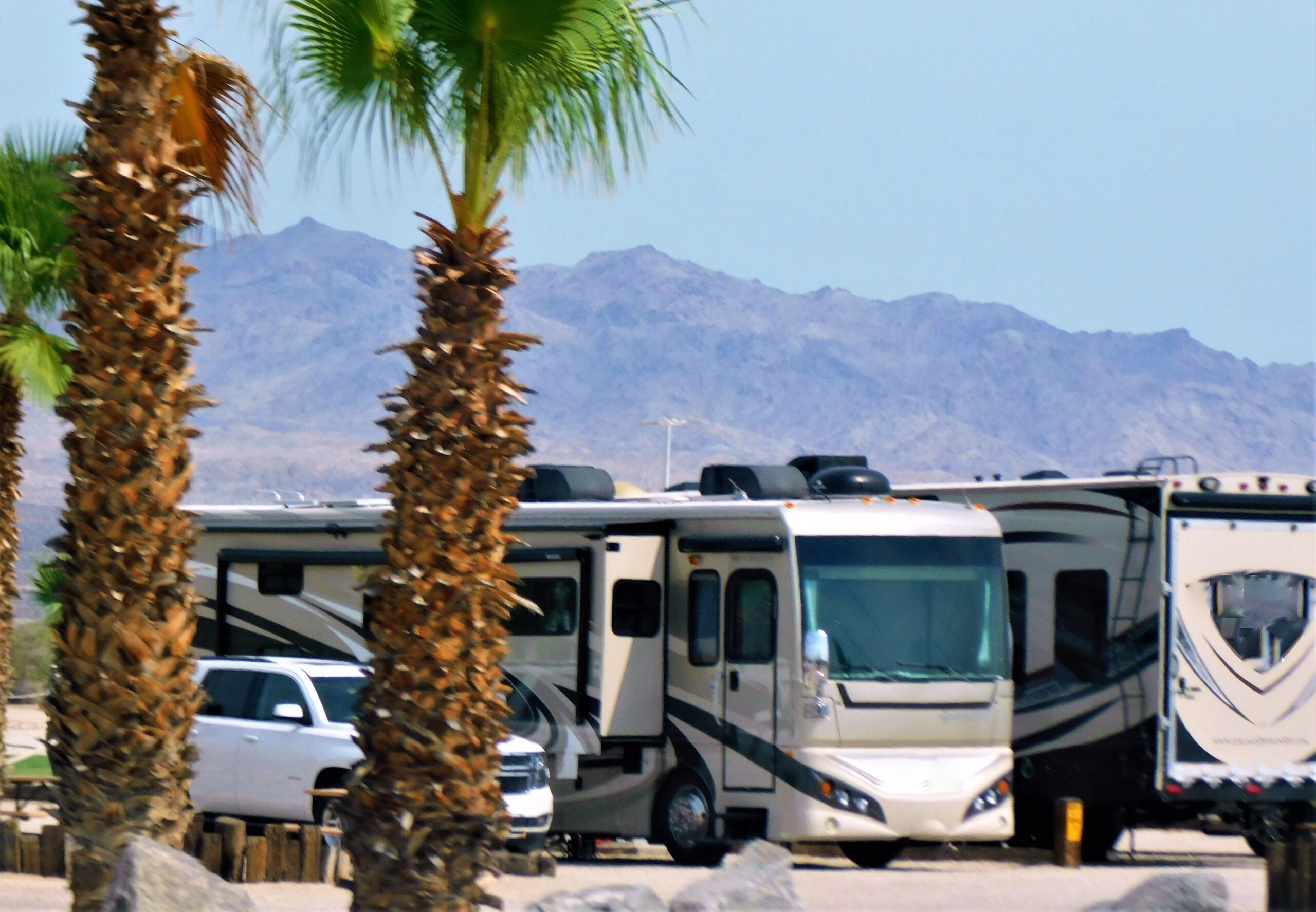
Chestermere and the surrounding region have a well-established snowbird culture. Retirees and remote workers often spend weeks or months in destinations such as Arizona, California, Nevada, and Texas, maintaining strong ties to both communities.
For local families, those extended stays are more than vacations. They support seasonal rental markets, golf courses, small businesses, and cross-border tourism economies that have traditionally relied on Canadian visitors.
Any disruption to that pattern — even one driven by perception rather than policy — has a ripple effect.
Currency, costs and confidence
The Canadian dollar, which typically plays a major role in snowbird planning, is now only part of the equation. Some travellers say political uncertainty is becoming an additional factor in deciding whether to go.
Tariff discussions between Canada and the United States, particularly those affecting energy and agriculture, have raised broader concerns about economic relations. While those measures do not directly target tourists, they contribute to a sense that the relationship between the two countries is less stable than in previous years.
That uncertainty matters for people committing to multi-month stays, purchasing property, or arranging long-term travel insurance.
Alberta politics entering the conversation
At the same time, renewed discussion about Alberta’s future within Confederation — even when framed as a constitutional debate — is being noticed south of the border.
Some snowbirds say they are being asked about it by American neighbours, a reminder that provincial politics can quickly become international small talk.
“It comes up at the golf course,” said another seasonal resident. “People ask if Alberta is really thinking about leaving Canada. It turns into a conversation you didn’t expect to have when you’re just trying to enjoy the winter.”
Still heading south — but watching closely
Despite the uncertainty, most local snowbirds are not abandoning their plans. Instead, many are taking a more cautious approach:
booking shorter stays
reviewing travel insurance more carefully
delaying property purchases
monitoring political developments before committing to next year’s trips
For some, the biggest change is psychological.
“The sun is still there,” one traveller joked, “but the conversation feels different.”
A relationship built on people, not politics
Cross-border travel between Alberta and the United States has always been about more than economics. It is built on long-standing personal relationships — friendships formed in RV parks, neighbourhoods, and winter communities that feel like second homes.
Those connections remain strong, and most snowbirds say they continue to feel welcome.
But in a season when geopolitics is entering everyday travel decisions, even a small shift in confidence can be felt in communities like Chestermere, where winter migration south is part of the local culture.
For now, the suitcases are still coming out and flights are still being booked. Yet for the first time in years, many travellers are watching the news as closely as they are watching the weather — waiting to see how the next chapter in Canada–U.S.–Alberta relations will shape the winters to come.